The stem
of the papyrus was used by the ancient Egyptians to make paper-like
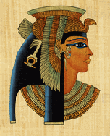
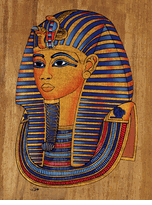
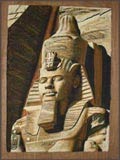
writing material. Each of our paintings on this ancient paper tell a
significant story from ancient times. Many of these scenes were
sketched from the carvings found at various historical sites within
Egypt. All of our scenes are hand painted. Further, we display each
artist's signature as evidence of his/her work.
all Egyptian
papyrus sizes are available
Click on any of the
subcategories pictures below to view all paintings under this
subcategory
The Cyperus papyrus plant grows along the banks
of the Nile's fresh water. It has long roots and stems and the
ancient Egyptians used it in building ships and making paper to
record history, inventories & other government affairs.
The word Papyrus in Egyptian came to be Paper in modern
languages. Over time, the technique for manufacturing papyrus
was long forgotten, but in the late 1940's, a well-known
Egyptologist rediscovered the secret of how the Papyri were made
3000 years ago.
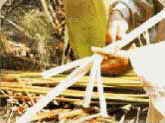
The outer bark of the papyrus plant is removed
and the inner pith sliced into thin strips, which are
subsequently hammered to break the fibers and drain the water .
They are then reimmersed into ordinary water for 3 days until
the fibers become flexible and transparent.
The papyrus strips are cut to the required lenth
and placed on a piece of cotton, each at a slight overlap making
two layers.
"one horizontal and the other vertical".
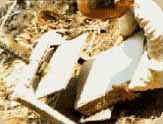
The papyrus sheets are put between two pieces of
cardboard and placed under a hand press to be squeezed and left
in the sun until dry. The cardboard is changed every 8 hours and
the drying process takes about 3-4 days.
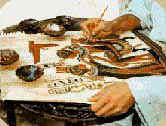
Finally, the papyrus sheets are ready for
painting pictures, sending correspondence or recording all kinds
of events using oil or gauche colors, inks or paint in the
ancient Egyptian written language (now called Hieroglyphic
language).